Child maltreatment includes all types of abuse and neglect of a child < 18 years old by a parent, caregiver, or another person in a custodial role that results in harm, potential for harm, or threat of harm to that child. Four types of maltreatment are generally recognized: physical abuse, sexual abuse, emotional abuse (psychological abuse), and neglect. Medical child abuse is another form of child maltreatment. The causes of child maltreatment are varied. Abuse and neglect are often associated with physical injuries, delayed growth and development, and mental health issues. Diagnosis is based on history, physical examination, and sometimes laboratory tests and diagnostic imaging. Management includes documentation and treatment of any injuries and physical and mental health conditions, mandatory reporting to appropriate government agencies, and sometimes hospitalization and/or alternate placement to ensure the child's safety.
Child maltreatment includes all types of abuse and neglect of a child < 18 years old by a parent, caregiver, or another person in a custodial role that results in harm, potential for harm, or threat of harm to that a child (1). In 2023, 4.4 million reports of alleged child maltreatment were made to Child Protective Services (CPS) in the United States involving 7.8 million children. About 3.1 million of these reports were investigated in detail or received an alternative response, and approximately 546,000 maltreated children were identified (1). Maltreatment rates were higher among girls (7.9 per 1000 girls) than boys (6.9 per 1000 boys). The younger the child is, the higher the rate of victimization (about 26.6% were age 2 or younger).
About two-thirds of all reports to Child Protective Services in the United States were made by professionals who are mandated to report maltreatment (eg, educators, law enforcement personnel, social services personnel, legal professionals, day care providers, medical or mental health personnel, foster care providers) (2). Educators consistently refer the highest proportion of maltreatment reports in the United States.
Of substantiated cases in the United States in 2023, 76% involved neglect (including medical neglect), 16% involved physical abuse, 10% involved sexual abuse, and 0.2% involved sex trafficking (1). Many children were victims of multiple types of maltreatment (3).
Approximately 2000 children died in the United States of maltreatment in 2023, about half of whom were < 1 year old (1). About 78% of these children were victims of neglect and 41.6% were victims of physical abuse with or without other forms of maltreatment. More than 80% of perpetrators were parents acting alone or with other individuals.
Potential perpetrators of child maltreatment are defined slightly differently in different jurisdictions, but, in general, to legally be considered abuse, child maltreatment must be perpetrated by a person responsible for the child's welfare. Thus, parents and other relatives, people living in the child's home who have routine responsibility, teachers, bus drivers, counselors, and so forth may be perpetrators. People who commit violence against children to whom they have no connection or for whom they have responsibility (eg, as in school shootings) may be guilty of assault, murder, and so forth, but they are not considered to be committing child abuse from a legal perspective.
Child maltreatment is recognized as one of the varied forms of adverse childhood experiences (ACEs). ACEs (such as child maltreatment or household dysfunction) increase the risk of long-lasting problems, including mental health problems and substance use disorders (4). Child abuse is also associated with problems in adulthood such as obesity, heart disease, asthma, and chronic obstructive pulmonary disease (COPD).
Primary prevention of child maltreatment is important (5). Effective preventive strategies include supporting parents by providing them with education about constructive parenting, and strengthening legislation to outlaw violent forms of discipline or punishment. Once maltreatment occurs, adequate response and support services must be available and involved to identify cases and provide ongoing care to victims and their families. This helps to reduce the recurrence of maltreatment and mitigate its consequences, which can be lifelong.
General references
1. U.S. Department of Health & Human Services; Children's Bureau: An Office of the Administration for Children & Families. Child Maltreatment (2023). Accessed September 10, 2025.
2. Nadon M, Park K, Lee JY, Wright M. Who makes the call? Examining the relationship between child maltreatment referral sources and case outcomes in the United States, 2008-2018. Child Abuse Negl. 2023;145:106404. doi:10.1016/j.chiabu.2023.106404
3. Turner HA, Finkelhor D, Ormrod R. Poly-victimization in a national sample of children and youth. Am J Prev Med. 2010;38(3):323-330. doi:10.1016/j.amepre.2009.11.012
4. Waehrer GM, Miller TR, Silverio Marques SC, et al. Disease burden of adverse childhood experiences across 14 states. PLoS One. 15(1):e0226134, 2020. doi: 10.1371/journal.pone.0226134
5. World Health Organization. Fact Sheets: Child maltreatment. November 4, 2024. Accessed September 10, 2025.
Classification of Child Maltreatment
Different forms of maltreatment often coexist, and overlap can be considerable. The 4 main forms include the following (1):
Physical abuse
Sexual abuse
Emotional abuse
Neglect
In addition, intentionally feigning, falsifying, or exaggerating medical symptoms in a child that results in potentially harmful medical interventions (now referred to as factitious disorder imposed on another or medical child abuse; formerly called Munchausen syndrome by proxy) is also considered a form of abuse (child abuse in a medical setting).
Neglect
Neglect is the failure to provide for or meet a child’s basic physical, emotional, educational, and medical needs. Neglect is often passive. It is important to distinguish poverty from neglect; poverty it self is not reportable to children's services.
Different types of neglect can be defined as
Physical neglect includes failure to provide adequate food, clothing, shelter, supervision, and protection from potential harm.
Emotional neglect is failure to provide affection or love or other kinds of emotional support.
Educational neglect is failure to enroll a child in school, ensure attendance at school, or provide home schooling.
Medical neglect is failure to ensure that a child receives appropriate care or needed treatment for injuries or physical or mental disorders.
However, failure to provide preventive care (eg, vaccinations, routine dental examinations) is not usually considered neglect.
Physical abuse
Physical abuse involves a caregiver inflicting physical harm or engaging in actions that create a high risk of harm. Physical abuse can take many forms such as shaking, dropping, kicking, striking, biting, and burning (eg, by scalding or touching with cigarettes).
Infants and toddlers are at increased risk of physical abuse because the developmental stages that most go through (eg, crying with or without colic, inconsistent sleep patterns, temper tantrums, toilet training) may frustrate caregivers. This age group is also at increased risk because they cannot articulate or report their abuse. Physical abuse is the most common cause of serious head injury in infants. In toddlers, abdominal injury is also common. Children in these age groups are also at increased risk of brain (ie, abusive head trauma) and spine injuries because of their larger head-to-body ratio and their weaker neck muscles.
Sexual abuse
Any action with a child that is done for the sexual gratification of an adult or significantly older (developmentally or chronologically) child constitutes sexual abuse (see also Pedophilic Disorder).
Sexual abuse does not include normal sexual play, in which children close in age and development view or touch each other’s genital area without force or coercion. While the legal definitions that differentiate sexual abuse from play vary by jurisdiction, in general, sexual contact between individuals with a > 4-year (chronologically or in mental or physical development) age disparity is considered to be inappropriate.
Forms of sexual abuse include
Intercourse, which is oral, anal, or vaginal penetration
Molestation, which is genital contact without intercourse
Forms that do not involve physical contact by the perpetrator, including exposure of the perpetrator's genitals, showing or texting sexually explicit material to a child, posting sexually explicit pictures of a child, and forcing a child to participate in a sex act with another person or to participate in the production of sexual material
Emotional abuse
Emotional abuse occurs when a parent or parent substitute inflicts emotional harm on a child through the use of words or actions by doing any of the following:
Berating the child by yelling or screaming
Spurning the child by belittling the child’s abilities and achievements
Intimidating and terrorizing the child with threats
Exploiting or corrupting the child by encouraging deviant or criminal behavior
Emotional abuse can also occur when words or actions are omitted or withheld, in essence becoming emotional neglect (eg, ignoring or rejecting children or isolating them from interaction with other children or adults).
Special considerations
Medical child abuse
Child abuse in a medical setting (previously called Munchausen syndrome by proxy, now called factitious disorder imposed on another in the Diagnostic and Statistical Manual of Mental Disorders, Fifth Edition [DSM-5]) occurs when caregivers intentionally produce or falsify physical or psychological symptoms or signs in a child. Caregivers may injure the child with drugs or other agents or add blood or bacterial contaminants to urine specimens to simulate disease.
Victims of this type of child abuse may receive unnecessary and harmful or potentially harmful evaluations, tests, and/or treatments, including procedures or surgeries (2).
Cultural factors
Cultural norms vary and an individual may be guided by the norms of one or more cultures that are defined by region, country, city or town, social group, age group, national origin, religion, or other factors. The distinction between socially accepted behavior and abuse varies across different cultures. However, cultural norms should not be used as a reason to excuse any and all behaviors, although differentiating what is normal behavior versus maltreatment can be challenging. For example, severe corporal punishment (eg, whipping, burning, scalding) clearly constitutes physical abuse, but for lesser degrees of physical and emotional chastisement of a child, the boundary between socially accepted behavior and abuse can vary across cultures. Likewise, there are some practices that are accepted and valued as part of cultural or religious traditions or rituals that are considered abuse in the United States or some other countries, for example, female genital mutilation or certain folk remedies (eg, coining, cupping, irritant poultices) that which may create lesions (eg, bruises, petechiae, minor burns).
Some religious or cultural groups' beliefs include not seeking medical treatment, not consenting to certain types of medical treatments (eg, blood transfusion, vaccination), or considering something to be sacred or spiritual manifestation rather than an illness (eg, seizures). Members of these groups have sometimes failed to obtain life-saving treatment (eg, for diabetic ketoacidosis or meningitis), resulting in a child's death. Such failure is typically considered neglect regardless of the parents’ or caregivers’ beliefs. When a child is ill, refusal of medically accepted treatment may result in legal (eg, court-ordered) intervention. Whether refusal of vaccination or other preventive medical care is legally considered medical neglect varies by jurisdiction.
Classification references
1. Centers for Disease Control and Prevention (CDC). Child Abuse and Neglect Prevention: About Child Abuse and Neglect. May 16, 2024. Accessed September 17, 2025.
2. Bass C, Glaser D. Early recognition and management of fabricated or induced illness in children. Lancet. 2014;383(9926):1412-1421. doi:10.1016/S0140-6736(13)62183-2
Risk Factors for Child Maltreatment
The etiology of child maltreatment is likely multifactorial, involving a complex interplay of individual, familial, community, and societal risk factors (ie, social determinants of health) (1) that contribute to both abuse and neglect (2). Risk factors are highly interrelated and cumulative; the presence of multiple risk factors exponentially increases the likelihood of maltreatment (3). Protective factors, such as strong social support and healthy caregiver–child relationships, can mitigate risk (4).
Abuse
Generally, child abuse can be attributed to a breakdown of impulse control in the parent or caregiver. Several factors can contribute.
Parental characteristics and personality features can play a role in child maltreatment. The parent’s own childhood may have lacked affection and warmth, may not have been conducive to the development of adequate self-esteem or emotional maturity, and, in many cases, also included forms of maltreatment. Abusive parents may see their children as a source of unlimited and unconditional affection, and may look to them for the support that they never received. As a result, they may have unrealistic expectations of what their children can supply for them, they are frustrated easily and have poor impulse control, and they may be unable to give what they never experienced. Substance use may provoke impulsive and uncontrolled behaviors toward children. Untreated parental mental health disorders also increase the risk of child maltreatment.
Parents may reach their threshold for frustration and subsequent abusive actions more easily and frequently with children with special needs and/or difficult behaviors (5). A lack of bonding may contribute to the risk of abuse, which occurs more commonly with premature or sick infants separated from parents early in infancy or with biologically unrelated children (eg, stepchildren).
Situational stress (eg, loss of a job, divorce) may precipitate abuse, particularly when the emotional support of relatives, friends, neighbors, or peers is unavailable.
All types of abuse, including sexual abuse, occur across the spectrum of socioeconomic groups. However, some socioeconomic stressors (eg, financial stress, social isolation, young or single parenthood) are associated with increased risk (1). Children of first-time parents, adolescent parents, and parents with several other children < 5 years of age are also at increased risk of maltreatment.
Neglect
Neglect usually results from a combination of factors including difficulties with parenting, poor stress-coping skills, unsupportive family systems, and stressful life circumstances. Neglect often occurs in families experiencing financial and environmental stresses and particularly those in which parents also have untreated mental illness (typically depression, anxiety, bipolar disorder, or schizophrenia), a substance use disorder, or an intellectual disability. Children in single-parent families may be at risk of neglect due to fewer available resources (6).
Etiology references
1. Hunter AA, Flores G. Social determinants of health and child maltreatment: a systematic review. Pediatr Res. 2021;89(2):269-274. doi:10.1038/s41390-020-01175-x
2. Luo Z, Chen Y, Epstein RA. Risk factors for child abuse and neglect: Systematic review and meta-analysis. Public Health. 2025;241:89-98. doi:10.1016/j.puhe.2025.01.028
3. Vial A, van der Put C, Stams GJJM, Kossakowski J, Assink M. Exploring the interrelatedness of risk factors for child maltreatment: A network approach. Child Abuse Negl. 2020;107:104622. doi:10.1016/j.chiabu.2020.104622
4. Younas F, Gutman LM. Parental Risk and Protective Factors in Child Maltreatment: A Systematic Review of the Evidence. Trauma Violence Abuse. 2023;24(5):3697-3714. doi:10.1177/15248380221134634
5. Austin AE, Lesak AM, Shanahan ME. Risk and protective factors for child maltreatment: A review. Curr Epidemiol Rep. 7(4):334–342, 2020. doi: 10.1007/s40471-020-00252-3
6. Vanderminden J, Hamby S, David-Ferdon C, et al. Rates of neglect in a national sample: Child and family characteristics and psychological impact. Child Abuse Negl. 2019;88:256-265. doi:10.1016/j.chiabu.2018.11.014
Symptoms and Signs of Child Maltreatment
Symptoms and signs depend on the nature and duration of the abuse or neglect.
Physical abuse
Skin lesions are the most common findings. Skin findings are usually subtle (eg, a small bruise, petechiae on the face and/or neck) (1).
More severe findings may include
Handprints or oval fingertip marks caused by slapping or grabbing and shaking
Long, bandlike ecchymoses caused by belt whipping
Narrow arcuate bruises caused by extension cord whipping
Multiple small, round burns caused by cigarettes
Symmetric scald burns of upper or lower extremities or buttocks caused by intentional immersion
Bite marks
Thickened skin or scarring at the corners of the mouth caused by being gagged
Patchy alopecia, with varying hair lengths, caused by hair pulling
Fractures highly indicative of physical abuse include classic metaphyseal lesions (ie, bucket-handle fractures which are usually caused by shaking an infant or toddler), rib fractures, and spinous processes fractures (2). Fractures most frequently associated with physical abuse include skull fractures, long bone fractures, and rib fractures. In children < 1 year old, about 25% of fractures are inflicted by others (3).
Confusion and focal neurologic abnormalities can occur with central nervous system injuries. Clinicians should be aware that the lack of externally visible head lesions does not exclude internal damage such as traumatic brain injury, particularly in infants subjected to violent shaking. Such infants may be comatose or stuporous from brain injury yet lack conspicuous signs of injury (with the common exception of retinal hemorrhage), or they may present with nonspecific signs such as fussiness and vomiting. Traumatic injury to organs within the chest or abdominal/pelvic region may also occur initially without visible signs.
Children may experience more than one type of maltreatment resulting in perioral and intraoral injuries. Medical and dental professionals should be aware of injuries and diseases that should raise suspicion for child maltreatment (4).
Older children who have been frequently abused are often fearful, irritable and sleep poorly. They may have symptoms of depression, posttraumatic stress reactions, or anxiety. Sometimes victims of abuse display symptoms similar to those of attention-deficit/hyperactivity disorder (ADHD) and are mistakenly diagnosed with that disorder. Violent or suicidal behavior may occur.
Pearls & Pitfalls
|
Sexual abuse
Children may not always exhibit behavioral or physical signs of sexual abuse. In most cases, children do not spontaneously disclose sexual abuse; they may feel ashamed to disclose the abuse or they may fear harm from the abuser or other consequences if they tell anyone. If a disclosure is made, it can be delayed, sometimes for days or even years. In some cases, abrupt or extreme changes in behavior may occur without an obvious precipitating factor. Aggressiveness or withdrawal may develop, as may phobias or sleep disturbances. Some sexually abused children act in ways that are considered sexually inappropriate for their age.
Potential physical signs of sexual abuse that involves penetration may include
Difficulty swallowing, walking, or sitting
Bruises or tears around the genitals, anus, or mouth
Vaginal discharge, pruritus, or bleeding
Within a few days of the abuse, examination of the genitals, anus, and mouth will likely be normal, but the examiner should be cognizant of healed lesions or other such subtle changes. If a child is diagnosed with a sexually transmitted infection or pregnancy, evaluation and social support for sexual abuse or sexual assault should be initiated.
Emotional abuse
Clinicians must be aware of the signs of emotional child abuse (sometimes also called psychological child maltreatment), which is different from neglect . Emotional abuse occurs when the child’s attempts to have psychological needs met are thwarted, distorted, or corrupted (5). In early infancy, emotional abuse may blunt emotional expressiveness and decrease interest in the environment. Emotional abuse sometimes results in growth faltering and is often misdiagnosed as intellectual disability or physical illness. Delayed development of social and language skills may be a sign of inadequate parental stimulation and interaction.
Children who are emotionally abused may become insecure, anxious, distrustful, superficial in interpersonal relationships, or passive. They may compensate by being, or have the appearance of being, overly concerned with pleasing adults. Children who are spurned may have very low self-esteem. Children who are threatened may seem fearful and withdrawn.
The emotional effect on children usually becomes apparent at school age, when difficulties develop in forming relationships with teachers and peers. Often, emotional effects are appreciated only after the child has been placed in another environment or after aberrant behaviors abate and are replaced by more acceptable behaviors. Children who are exploited may commit crimes or develop a substance use disorder.
Neglect
Undernutrition, fatigue, poor hygiene, lack of appropriate clothing, and growth faltering are common signs of neglect (ie, inadequate provision of food, clothing, or shelter). Stunted growth and death resulting from starvation or exposure to extremes in temperature or weather occasionally occur. Neglect that involves inadequate supervision may result in preventable illness or injury.
Symptoms and signs references
1. Pierce MC, Kaczor K, Douglas JL, et al. Validation of a clinical decision rule to predict abuse in young children based on bruising characteristics. JAMA Netw Open. 4(4):e215832, 2021. doi: 10.1001/jamanetworkopen.2021.5832
2. Mankad K, Sidpra J, Mirsky DM, et al. International Consensus Statement on the Radiological Screening of Contact Children in the Context of Suspected Child Physical Abuse. JAMA Pediatr. 2023;177(5):526-533. doi:10.1001/jamapediatrics.2022.6184
3. Leventhal JM, Martin KD, Asnes AG. Incidence of fractures attributable to abuse in young hospitalized children: results from analysis of a United States database. Pediatrics. 2008;122(3):599-604. doi:10.1542/peds.2007-1959
4. Fisher-Owens SA, Lukefahr JL, Tate AR, et al. Oral and Dental Aspects of Child Abuse and Neglect. Pediatrics. 2017;140(2):e20171487. doi:10.1542/peds.2017-1487
5. American Professional Society on the Abuse of Children (APSAC) Task Force. Practice Guidelines: The investigation and determination of suspected psychological maltreatment of children and adolescents. Published 2023. Accessed September 23, 2025.
Diagnosis of Child Maltreatment
Detailed history and physical examination
Supportive, open-ended questioning
Sometimes imaging and laboratory tests
Child maltreatment is diagnosed through a combination of comprehensive clinical history-taking, physical examination (with careful attention to certain clinical findings), and targeted diagnostic testing, all taken together in the developmental and psychosocial context of the child. Accidental injuries and common medical conditions should be ruled out.
Recognizing maltreatment as the cause of nonspecific symptoms or signs can be difficult, and a high index of suspicion must be maintained. Because of implicit biases, clinicians might be less likely to consider abuse in children living in a 2-parent household with a presumed middle or high socioeconomic status. However, child abuse can occur regardless of family composition or socioeconomic status. Despite the presence of risk factors or implicit biases, maltreatment is an important consideration in any child displaying signs and/or symptoms (eg, incompatibility between given history and visible traumatic injuries) suggestive of it.
A detailed medical history, including a history of significant events should be obtained from children (if they are developmentally able to provide it), is taken while the child and/or their nonoffending caregivers (ie, those that were not involved in the maltreatment) are in a relaxed environment (1). Pertinent family and psychosocial history details include changes in family composition, exposure to intimate partner violence, parental mental health problems, substance use disorder, involvement with child welfare or juvenile justice, and any ongoing violence. Often it is unclear after the initial evaluation whether abuse occurred. However, the mandatory reporting requirement of suspected abuse should engage appropriate authorities and/or social agencies to investigate; if their evaluation confirms abuse, appropriate legal and social interventions can be done.
Both open-ended and close-ended questions may be required, depending on the developmental age and psychosocial context of injury. Open-ended questions (eg, “Can you tell me what happened?”) are particularly important in these cases because yes-or-no questions (eg, “Did Daddy do this?”, “Did he touch you here?”) can potentially construct an untrue history in the mind of a young child (2). Sometimes direct questions can provide answers, but generally this line of questioning should be reserved for individuals trained in forensic investigations; some health care professionals have this training. Children who have been maltreated may describe the events and the perpetrator, but it is important to note that some children, particularly those who have been sexually abused, may be sworn to secrecy, threatened, or so traumatized that they are reluctant to speak about the abuse (and may even deny abuse when specifically questioned).
The clinical encounter should, in addition to detailed history, include observation of interactions between the child and the caregivers whenever possible. Documentation of the history and physical examination should be as comprehensive and accurate as possible, including recording of exact quotes from the history and photographs of potential injuries.
Physical abuse
In the United States, physical abuse (including homicide) is among the 10 leading causes of death in children (3). Both history and physical examination may provide clues suggestive of maltreatment (4).
Features suggestive of abuse in the history are
Parental reluctance or inability to give the history of a significant injury
History that is inconsistent with the injury (eg, bruises on the backs of the legs attributed to a forward fall) or apparent stage of resolution (eg, old injuries described as recent)
History that varies depending on the information source or over time (it must be acknowledged that some discrepancies may be attributed to different historians and how the information was documented by the clinician)
History of injury that is incompatible with the child’s stage of development (eg, injuries ascribed to rolling off a bed in an infant too young to roll over/move far enough, or to a fall down stairs in an infant too young to crawl and was not placed near the stairs)
Inappropriate response by the parents to the severity of the injury (either overly concerned or unconcerned)
Unusual delays in seeking care for the injury
Major indicators of abuse on examination are
Atypical injuries
Injuries frequently associated with abuse rather than typical childhood falls
Injuries incompatible with stated history
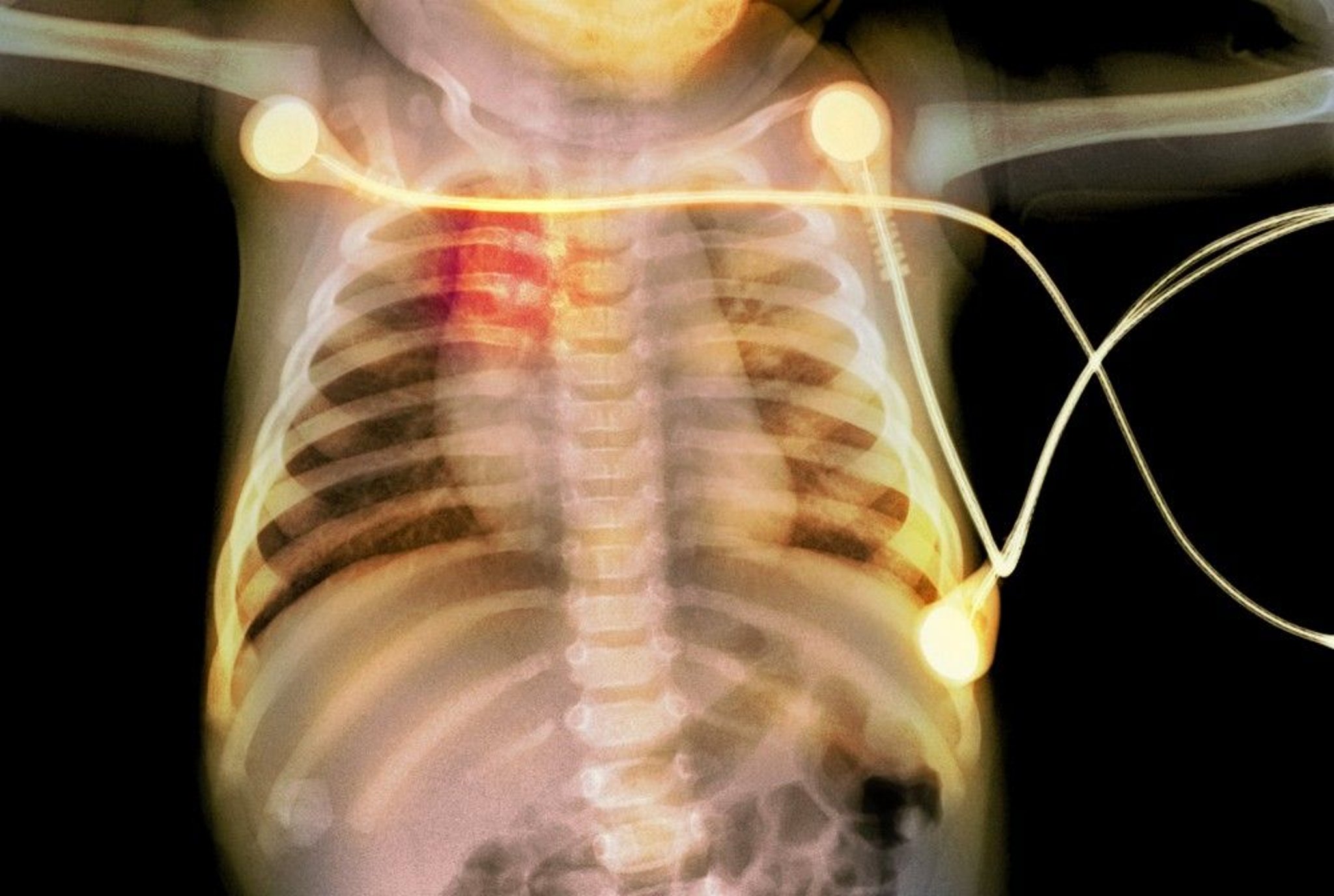
Childhood injuries resulting from simple falls are typically solitary and tend to occur on the forehead, chin, or mouth or extensor surfaces of the extremities, particularly elbows, knees, forearms, and shins. Bruises on the buttocks and the back of the legs are extremely rare as a result of falls. Fractures, apart from clavicular fracture, tibial (toddler’s) fractures, and distal radius (Colles) fracture, are less common in typical falls during play or down a stairway. No fractures are pathognomonic of abuse, but classic metaphyseal lesions (eg, bucket-handle fractures), rib fractures (especially posterior and first rib), and depressed or multiple skull fractures (caused by allegedly minor trauma), scapular fractures, sternal fractures, and spinous processes fractures should raise concern for abuse.

PHOTOSTOCK-ISRAEL/SCIENCE PHOTO LIBRARY
Physical abuse and serious internal injuries should be considered in the differential diagnosis when a sentinel injury (poorly explained, medically minor injuries in young children that raise concern for abuse) is identified (eg a bruise on a young infant) (5). The younger infant may appear to be normal despite significant brain trauma, and inflicted acute head trauma should be part of the differential diagnosis of every lethargic infant. Other hints are multiple injuries at different stages of resolution or development; cutaneous lesions with patterns suggestive of particular sources of injury; and repeated injury, which is suggestive of abuse or inadequate supervision.
In cases of suspected physical abuse, including abusive head trauma, a dilated eye examination and neuroimaging are recommended for all children < 1 year old (6). Retinal hemorrhages occur in 85 to 90% of cases of abusive head trauma vs < 10% of cases of accidental head trauma (7). However, retinal hemorrhages are not pathognomonic of abuse. They may also result from childbirth and persist for 4 or more weeks. When retinal hemorrhages result from accidental trauma, the mechanism is usually obvious and life-threatening (eg, major motor vehicle crash), and the hemorrhages are typically fewer in number and confined to the posterior poles.
Children < 24 months old with possible physical abuse should undergo a skeletal survey (via radiography) for evidence of previous bony injuries (fractures in various stages of healing or subperiosteal elevations in long bones) (8, 9). Surveys are occasionally performed on older children with significant developmental delays. The standard survey includes images of the
Appendicular skeleton: Humeri, forearms, hands, femurs, lower legs, and feet
Axial skeleton: Thorax (including oblique views), pelvis, lumbosacral spine, cervical spine, and skull
Physical disorders causing multiple fractures include osteogenesis imperfecta, rickets, and congenital syphilis. In inherited copper deficiency (Menkes syndrome), osteoporosis may lead to bone fractures.
Sexual abuse
Sexually transmitted infections (10, 11) in a child < 12 years old are nearly always the result of sexual abuse. When a child has been sexually abused, behavioral changes (eg, irritability, fearfulness, insomnia) may be the only clues initially.
If sexual abuse is suspected, the perioral and anal areas and the external genitals should be examined for evidence of injury as part of a comprehensive physical exam. If appropriate, testing for sexually transmitted infections is performed in the least invasive way for the child (eg, blood tests, urine tests for some infections).
If the suspected abuse is thought to have occurred recently forensic evidence collection should be offered and, if assent is obtained, gathered using an appropriate kit and handled according to required legal standards (see page Testing and evidence collected) (12). Postexposure testing and prophylaxis is offered when appropriate. An examination involving the use of a magnifying light source with a camera, such as with a specially equipped colposcope, may be helpful to the examiner as well as for documentation for legal purposes.
Emotional abuse and neglect
Evaluation focuses on general appearance and behavior to determine whether the child is failing to develop normally. Teachers and social workers are often the first to recognize neglect. The physician may notice a pattern of missed appointments and vaccinations that are not up-to-date. Medical neglect of life-threatening, chronic diseases, such as asthma or diabetes, can lead to a subsequent increase in office or emergency department visits and poor adherence with recommended treatment regimens.
(See also Nutritional Deficiencies.)
Diagnosis references
1. APSACTaskforce. Forensic Interviewing of Children. American Professional Society on the Abuse of Children (APSAC). 2023. Accessed October 4,2025.
2. Henderson HM, Lundon GM, Lyon TD. Suppositional Wh- Questions About Perceptions, Conversations, and actions are More Productive than Paired Yes-No Questions when Questioning Maltreated Children. Child Maltreat. 2023;28(1):55-65. doi:10.1177/10775595211067208
3. Centers for Disease Control and Prevention. National Center for Health Statistics: Child Health. Accessed September 24, 2025.
4. Christian CW; Committee on Child Abuse and Neglect, American Academy of Pediatrics. The evaluation of suspected child physical abuse. Pediatrics. 2015;135(5):e1337-e1354. doi:10.1542/peds.2015-0356
5. Sheets LK, Leach ME, Koszewski IJ, Lessmeier AM, Nugent M, Simpson P. Sentinel injuries in infants evaluated for child physical abuse. Pediatrics. 2013;131(4):701-707. doi:10.1542/peds.2012-2780
6. Narang SK, Haney S, Duhaime AC, et al. Abusive Head Trauma in Infants and Children: Technical Report. Pediatrics. 2025;155(3):e2024070457. doi:10.1542/peds.2024-070457
7. Maguire SA, Watts PO, Shaw AD, et al. Retinal haemorrhages and related findings in abusive and non-abusive head trauma: A systematic review. Eye (Lond). 27(1):28–36, 2013. doi: 10.1038/eye.2012.213
8. Haney S, Scherl S, DiMeglio L, et al. Evaluating Young Children With Fractures for Child Abuse: Clinical Report. Pediatrics. 2025;155(2):e2024070074. doi:10.1542/peds.2024-070074
9. American College of Radiology and Society for Pediatric Radiology. ACR-SPR practice parameter for the performance and interpretation of skeletal surveys in children. Revised 2021. Accessed September 17, 2025.
10. Jenny C, Crawford-Jakubiak JE; Committee on Child Abuse and Neglect; American Academy of Pediatrics. The evaluation of children in the primary care setting when sexual abuse is suspected. Pediatrics. 132(2):e558–e567, 2013. doi: 10.1542/peds.2013-1741
11. Adams JA, Kellogg ND, Farst KJ, et al. Updated Guidelines for the Medical Assessment and Care of Children Who May Have Been Sexually Abused. J Pediatr Adolesc Gynecol. 2016;29(2):81-87. doi:10.1016/j.jpag.2015.01.007
12. Thackeray JD, Hornor G, Benzinger EA, Scribano PV. Forensic evidence collection and DNA identification in acute child sexual assault. Pediatrics. 2011;128(2):227-232. doi:10.1542/peds.2010-3498
Management of Child Maltreatment
Treatment of injuries
Reporting to the appropriate agency
Creation of a safety plan
Family counseling and support
Sometimes removal from the home
Management first addresses urgent medical needs (including possible sexually transmitted infections) and the child’s immediate safety (1, 2). Referral to a pediatrician specializing in child abuse medicine should be considered. In both abuse and neglect situations, families should be approached in a helping rather than a punitive manner.
Immediate safety
Clinicians who suspect that a child is being maltreated are advised to follow local clinical, regulatory, and legal requirements and to use the appropriate available resources to evaluate, support, and protect the child.
In the United States, physicians and other professionals in contact with children (eg, nurses, physician assistants, nurse practitioners, social workers, psychologists, teachers, day care workers, police) are mandated reporters who are required by law in every state to report incidents of suspected child abuse or neglect (see Mandatory Reporters of Child Abuse and Neglect). Members of the general public are encouraged, but not mandated, to report suspected abuse.
Any person who makes a report of abuse based on reasonable cause and in good faith is immune from criminal and/or civil liability. On the other hand, a mandated reporter who fails to make a report can be subject to criminal and civil penalties. The reports are made to Child Protective Services (if in the United States) or another regionally appropriate child protection agency. In most situations, it is appropriate for professionals to inform caregivers that a report is being made pursuant to the law and that they will be contacted, interviewed, and likely visited at their home if the report is accepted. In some cases, the professional may determine that informing the parent or caregiver before the police or other agency assistance is available creates greater risk of injury to the child and/or themselves. Under those circumstances, it may be acceptable for the professional to delay informing the parent or caregiver.
Clinicians who suspect child maltreatment often work with social workers to determine next steps, including
Making a report to a child protective agency
Placement with relatives or in temporary housing (sometimes a whole family is moved out of an abusive partner’s home)
Temporary foster care or, rarely, termination of parental rights (3) with the goal of ensuring permanency through adoption
Going home with prompt social service and medical follow-up
A malnourished child suspected to be a victim of neglect should first be hospitalized and given nutrition in an age-appropriate fashion before any other supportive nutritional care is initiated (eg, gastrostomy tube). If a child who begins to thrive while hospitalized, this is considered significant, objective evidence of neglect (or poverty with lack of food).
The clinician plays an important role in working with community agencies to advocate for the best and safest disposition for the child.
Health care professionals in the United States are often asked to write an impact statement, which is a letter typically addressed to a child protective agency worker (who can then bring it to the attention of the judicial system), about a child who is suspected to be the victim of maltreatment. The letter should contain a clear explanation of the history and physical examination findings (in layperson's terms) and a summarized clinical impression of the likelihood that the child was maltreated.
Follow-up
A source of primary medical care for the child is essential. However, the families of children who are abused and neglected frequently relocate, making continuity of care difficult. Cancelled or missed appointments are common. In such cases, outreach and home visits by social workers and/or public health nurses may be helpful. A local child advocacy center can help community agencies, clinicians, and the legal system work together as a multidisciplinary team in a more coordinated, child-friendly, and effective manner.
A close review of the family setting, prior contacts with various community service agencies, and the caregivers’ needs should be performed. A social worker can conduct such reviews and help with information gathering and family counseling. Social workers also provide tangible assistance to the caregivers by helping them obtain public assistance, child care, and respite services (which can decrease stress for caregivers). They can also help to coordinate mental health services for caregivers. Periodic or ongoing social work contact usually is needed.
Parent-aide programs, which employ trained nonprofessionals to support abusive and negligent parents and provide an example of appropriate parenting, are available in some communities. Other parent support groups also have been successful.
Sexual abuse may have lasting effects on the child’s development and sexual adaptation, particularly among older children and adolescents. Counseling or psychotherapy for the child and the nonoffending adults may lessen these effects.
Physical abuse, particularly significant head trauma, also can have long-lasting effects on development and children with suspected or confirmed abusive head trauma should be referred for an early intervention evaluation. If caregivers are concerned that a young child has a disability or delayed development, they may request an evaluation from early childhood education programs. In the United States, each state has an early intervention system, which is a program to evaluate and treat children with suspected disabilities or developmental delays.
Removal from the home
Although emergency temporary removal from the home until evaluation is complete and safety is ensured is sometimes done, the ultimate goal of child protective agencies is to keep children with their family in a safe, healthy environment. Often, families are offered services to rehabilitate the caregivers so that children who have been removed may be reunited with their family.
If the previously described interventions do not ensure safety, consideration must be made for long-term removal and possibly even termination of parental rights. This significant step requires a court petition, presented by the legal counsel of the appropriate welfare department. In the United States, the specific procedure varies from state to state but usually entails family court testimony by a clinician. When the court decides in favor of removing the child from the home urgently, a disposition is arranged, typically to a temporary placement, such as foster care. While the child is in temporary placement, the child's own physician or a medical team that specializes in children in foster care should, if possible, maintain contact with the parents and ensure that adequate efforts are being made to help them. Occasionally, children are re-abused while in foster care. Clinicians should be alert to this possibility.
If the dynamics of the family setting improve, the child may be able to return to the original caregivers. However, recurrences of maltreatment are common.
Treatment references
1. World Health Organization. Responding to child maltreatment: A clinical handbook for health professionals. August 4, 2022. Accessed September 23, 2025.
2. World Health Organization. WHO guidelines for the health sector response to child maltreatment. Technical Report. September 16, 2019. Accessed September 23, 2025.
3. Child Welfare Information Gateway. Adoption and Safe Families Act of 1997 – P.L. 105-89. November 1997. Accessed October 4, 2025.
Prevention of Child Maltreatment
Pediatricians and other primary care clinicians for children are at the forefront of efforts to prevent child maltreatment (1). For pediatric clinicians, the goal of child maltreatment prevention is twofold: the primary aim is to minimize risk by identifying and addressing family and community stressors and the secondary goal is to increase resilience by enhancing child and family protective factors.
Prevention of maltreatment should be a part of every well-child office visit through education of parents, caregivers, and children and identification of risk factors (1). After risk assessment, at-risk families should receive targeted in-clinic educational interventions and be referred to appropriate community resources.
Parents who were victims of maltreatment are at increased risk of maltreating their own children. Such parents may sometimes verbalize anxiety about their abusive background but may also be amenable to assistance.
Some maternal risk factors for abuse can be identified prenatally (eg, a mother who smokes, has a substance use disorder, and/or a history of domestic violence) (2). Obstetric complications or medical issues during pregnancy, delivery, or early infancy that affect the health of the mother and/or the infant can result in weakened parent-infant bonding (see Sick Neonates). When such problems are identified, it is important to elicit the parents’ feelings about their own capacity to be parents and their feelings about the infant’s well-being and needs. Extra attention should be focused on how well the parent or caregiver can support an infant with many medical needs, whether parents provide emotional and physical support to each other (if part of a couple) or if others are available to provide this and help with caregiving (for single parents), and if there are relatives or friends to help in times of need. The clinician who is alert to clues during the clinical encounter and is able to provide timely support can make a major impact on the family and possibly prevent child maltreatment.
Prevention references
1. Stirling J, Gavril A, Brennan B, Sege RD, Dubowitz H; American Academy of Pediatrics, COUNCIL ON CHILD ABUSE AND NEGLECT. The Pediatrician's Role in Preventing Child Maltreatment: Clinical Report. Pediatrics. 2024;154(2):e2024067608. doi:10.1542/peds.2024-067608
2. Blangis F, Drouin J, Launay E, et al. Maternal, prenatal and postnatal risk factors for early child physical abuse: a French nationwide cohort study. Lancet Reg Health Eur. 2024;42:100921. Published 2024 May 14. Doi:10.1016/j.lanepe.2024.100921
More Information
The following English-language resources may be useful. Please note that The Manual is not responsible for the content of these resources.
World Health Organization: WHO guidelines on parenting interventions to prevent maltreatment and enhance parent–child relationships with children aged 0–17 years